
Traditional Tang Soo Do: Traditions That Shape the Future
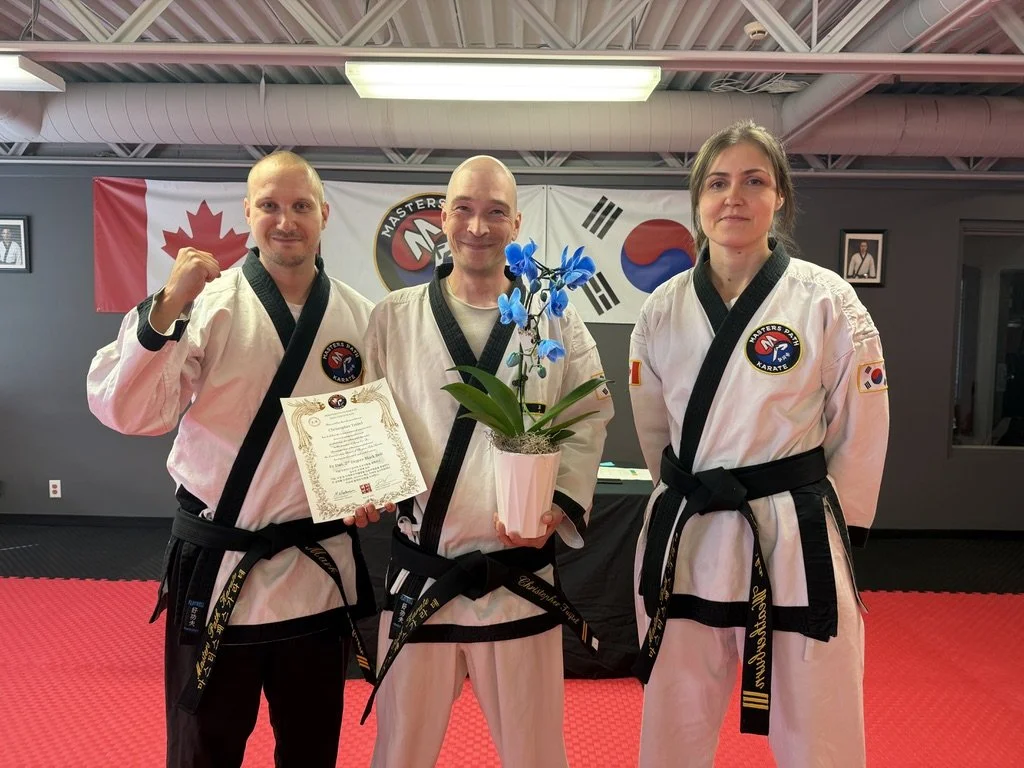
The martial traditions behind Tang Soo Do karate can be traced back thousands of years. The training has continued to be passed from instructor to student because it still offers something useful to the people who practise it.
Traditional Tang Soo Do teaches blocks, strikes, kicks, forms and practical self-defence. Learning these skills also requires students to listen, follow instructions, accept corrections and practise until they improve. This gives people of every age a practical way to develop respect, discipline, patience and a strong work ethic.
We can read about these qualities or talk about why they are important, but Masters Path Karate gives us somewhere to practise them.
The Student Has to Do the Work
Technology can provide information quickly. A screen can show a student how a technique should look, and AI can explain the steps involved. The student still has to come to class and put in the work.
They have to hold the stance, repeat the kick and practise the hyung. They have to concentrate when their mind wanders and try again when a movement does not work. Their instructor can guide them, correct them and encourage them, while the improvement itself comes from their own effort.
That process is one of the most valuable parts of traditional Martial Arts training.
Students can see the connection between the work they put in and the progress they make. A technique that felt awkward becomes more natural. Their balance improves, their movements become stronger and they remember more of their hyung. These improvements may happen gradually, but they are real and the student knows they have earned them.
This is how students learn that hard work pays off. It becomes something they have experienced for themselves.
Respect Is Part of the Training
Respect is built into every traditional Tang Soo Do class.
Students bow when entering the dojang and when working with an instructor or training partner. They learn to listen while someone else is speaking, control their techniques and take responsibility for the way they behave. As they gain experience, they are expected to help newer students and set a good example.
These traditions give respect a practical meaning. It can be seen in the way students speak to one another, receive instruction and train safely together.
Training with other people also teaches students that their own progress is connected to the way they treat those around them. A good training partner helps us improve, and we have a responsibility to do the same for them.
Discipline Develops Through Practice
Discipline grows through the regular routine of training.
Students attend class each week, work on the techniques and make small corrections over time. Some parts of the training come easily, while others require much more practice. A student may spend weeks learning a hyung or improving one section of it before everything begins to feel comfortable.
Continuing through that process teaches patience. It also helps students become more comfortable with being a beginner and making mistakes.
This is particularly useful because many worthwhile goals work in the same way. Improving our health, learning a skill, building a career or completing an education all require consistent effort. Progress often comes from doing fairly ordinary things well and continuing to do them for long enough.
Tang Soo Do allows students to practise that approach in every class. They are given something appropriate to work towards, instruction on how to improve and an opportunity to apply what they have learned.
Traditional Tang Soo Do Helps People Grow
People begin Martial Arts at different stages of life and for many different reasons.
A young child may join to improve their coordination, concentration and ability to follow instructions. An older child may need greater confidence or a positive place to direct their energy. Teenagers can benefit from having clear goals, strong role models and an activity that rewards genuine effort.
Adults may want to become fitter, learn self-defence or take on a new challenge. Many also enjoy having an hour in which they can focus completely on their training. Parents and children who train together can work towards their own goals while sharing the experience as a family.
The physical training can be adapted to the student’s age and ability, while the main principles remain useful to everyone. Students learn to practise properly, manage frustration, make corrections and continue working towards a goal.
Their confidence develops from becoming more capable. They learn that improvement is possible when they are willing to give something their time and effort.
Why We Teach Traditional Tang Soo Do
We built Masters Path Karate because Tang Soo Do had already made an important difference in our own lives. It gave us direction, taught us how to keep working when life became difficult and provided us with something worthwhile to share with other people.
Building the academy required sacrifice and years of consistent work. This has made the lessons within Tang Soo Do even more meaningful to us because we have applied many of them outside the dojang ourselves.
We want our students to receive proper traditional Tang Soo Do training and understand the value behind it. The bow, the dobok, the hyung, the Korean terminology and the relationship between instructor and student all form part of that education. Together, they provide structure and help preserve the standards that have allowed the art to continue.
Traditional Tang Soo Do has remained relevant because people still benefit from learning how to work hard, treat others with respect and remain committed to their own improvement. Those qualities can help a student at school, at work, at home and in any future goal they decide to pursue.
At Masters Path Karate Calgary, we teach traditional Tang Soo Do to children, teenagers, adults and families in Calgary. Students can begin with no previous experience and develop their skills at a pace that suits their age and ability.
If you would like to experience traditional Tang Soo Do, we invite you to join us for a class and begin learning with us.